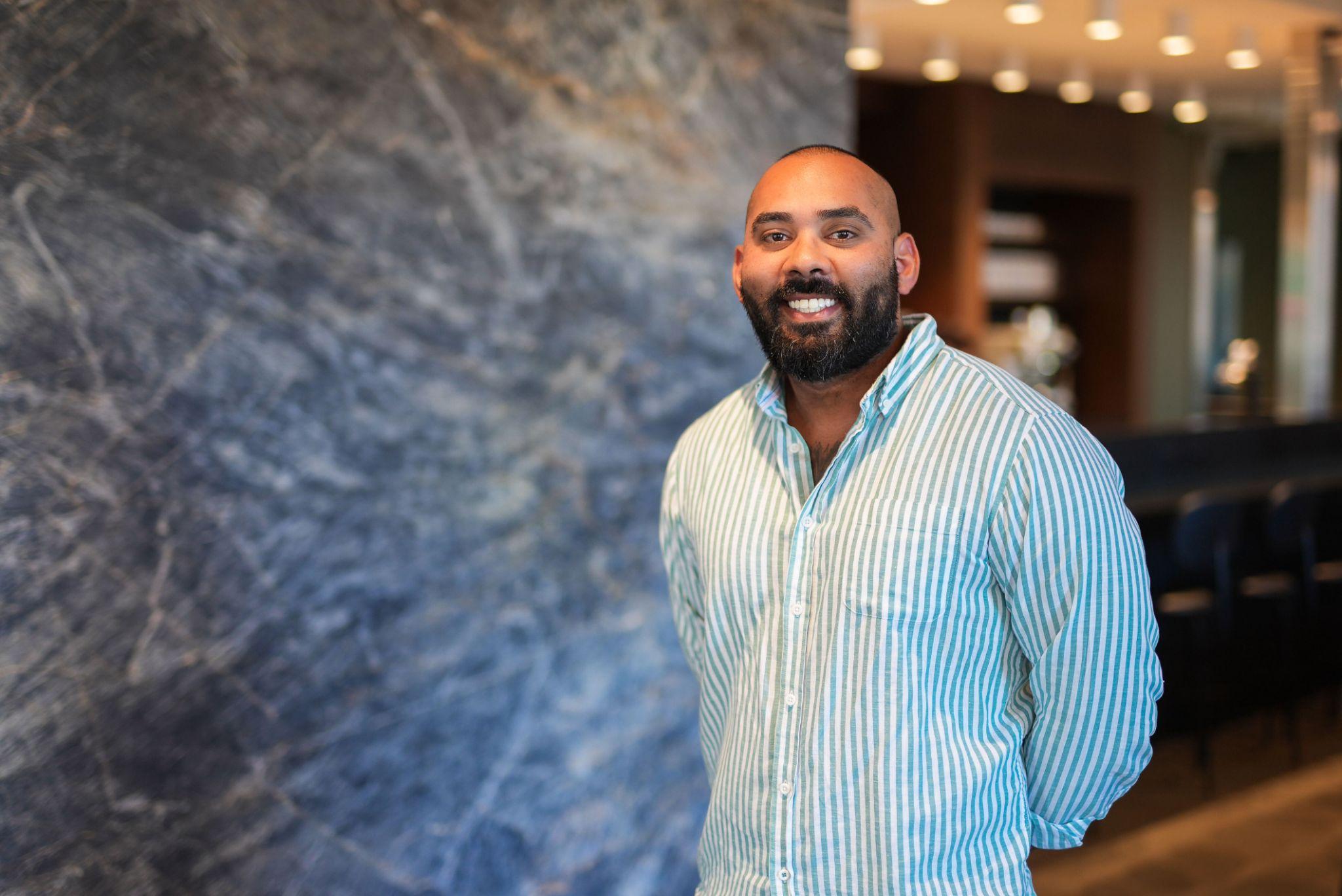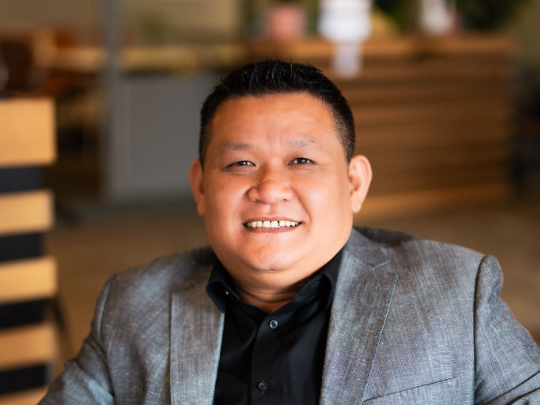
We spoke to Vien Truong, Community Connect worker at Vietnamese Community in Australia (Qld), Wilfred Wang, LOTE's National Advisory Group representative for Victoria, and Shannon from the Tourism Confucius Institute at Griffith University ahead of Lunar New Year.
How do you and your community celebrate the Lunar New Year?
*Vien*
In our community, Lunar New Year celebrations typically begin with cleaning and decorating homes, visiting temples and ancestors' altars, hosting family and friends reunion dinners, and participating in traditional cultural and artistic activities.
*Wilfred*
Food is probably the most essential part of the Lunar New Year celebration for the Chinese communities. Specific food items are required, and based on the local culture, for the New Year's Eve dinner: for example, people from the Cantonese regions generally must have a whole chicken and a whole fish on the table. Whole symbolises 'complete' and 'entirely' (as opposed to broken, fragmented). Many Chinese from northern China must have dumplings.
There will be a lot of food on the New Year's Eve table -- it is deliberately to have more than enough for the day -- the remaining, however, won't be thrown away (it's bad luck to throw things, especially food, out during the new year period) but become 'leftover' for the new day (New Year's Day). In other words, according to tradition, we must have 'leftover' food from New Year's Eve (the previous year) on New Year's Day -- symbolising continuity and sustainability.
The Lunar New Year is also a very family-centric occasion, a time when the big (extended) family gather together. Strictly speaking, there are some very structured rituals in terms of gathering. Without being too complicated, New Year's Eve, New Year's Day and the second day of the New Year are reserved entirely for family and relatives.
Visiting friends outside of the family networks can only occur from the third day of the new year -- in some local cultures, the third day is called 'open the new year' (kai nian).
Finally, the entire Chinese New Year period lasts for 14 days. The final day is called Yuan Xiao (the Lantern Festival).
*Shannon*
There are various activities and customs for celebrating Lunar New Year. The most important is to reunite the family, share about last year's life, and make New Year's resolutions. Regarding customs, the prelude to Lunar New Year starts on the 23rd of the 12th Lunar month, when people thoroughly clean their house. One day before New Year, everyone tries to return home to stay with family and decorate the house, such as pasting the red couplets and FU characters (New Year blessings). The family has a banquet on New Year's Eve and enjoys the Gala evening performance together. The banquets vary greatly depending on the area you live. The banquets in the northern part of China differ from those in the southern part. Most of the dishes in the banquet have a beautiful name with symbolic meaning.
Cultural symbols or rituals
*Vien*
Our community's significant cultural symbols of the Lunar New Year include kumquat trees, square sticky rice cakes (banh chung), apricot blossoms, and ancestral altars. Rituals like giving lucky money envelopes (li xi), temple visits, and family gatherings are prevalent.
*Wilfred*
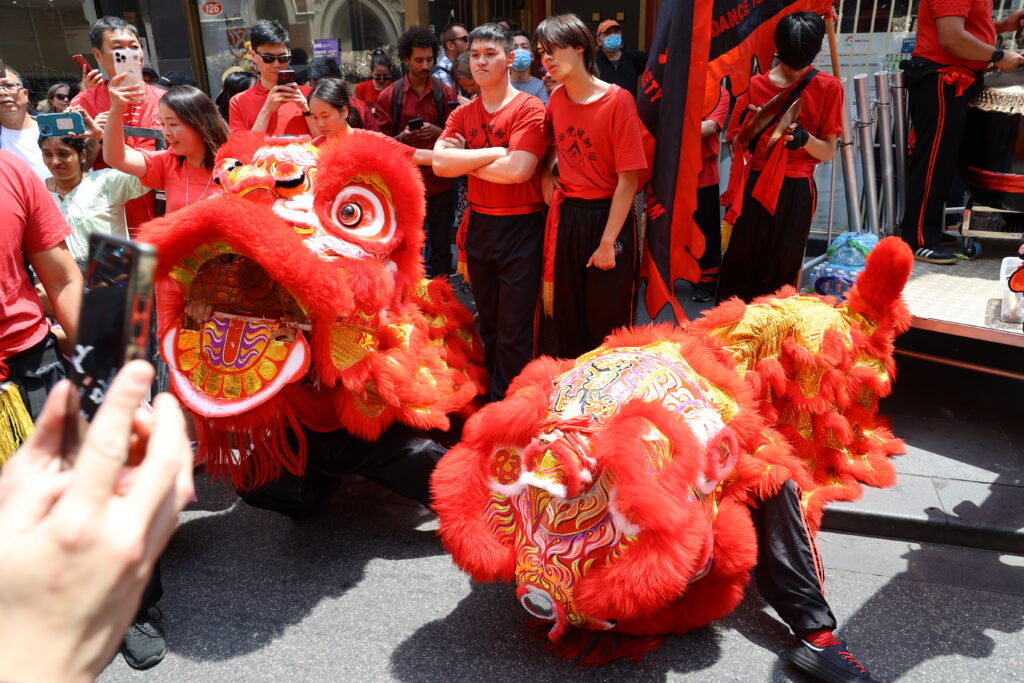
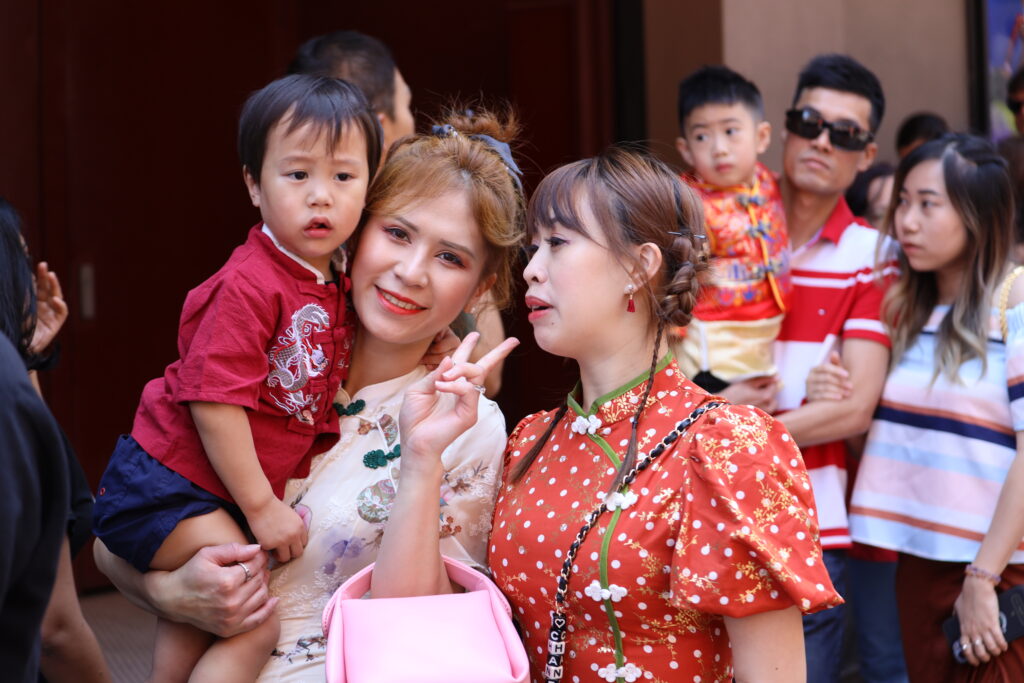
Red is the colour - you will see a lot of people wearing red clothes.
Numbers are essential: six and eight are generally widely accepted as lucky: six is more for northern Chinese, and eight is more for southern Chinese due to their linguistic expression and accents (e.g. eight sounds similar to 'wealthy' in Cantonese).
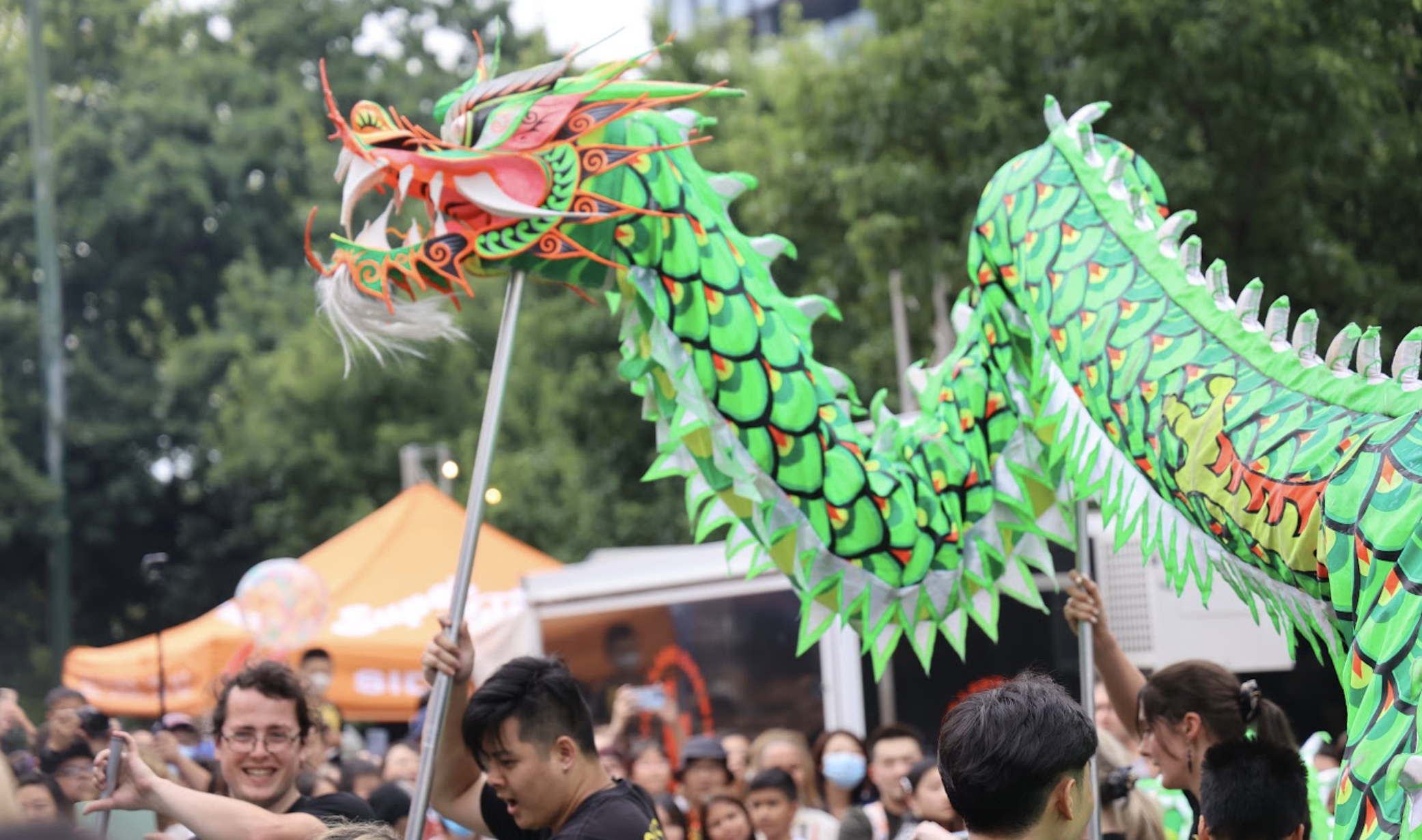
This year is the Year of the Dragon. So we will see a lot of 'dragons' this time - the zodiac of the year features typically prominently during the Lunar New Year.
*Shannon*
Red decoration for good luck and prosperity. Fish means surplus. FU 福 means all of the new year blessings. The red lantern also represents luck and brightness for the coming new year. Red envelopes for the kids with good wishes for the new year.
Evolution of Lunar New Year celebrations
*Vien*
Over time, Lunar New Year celebrations in our community have evolved in customs and traditions while preserving cultural values and family unity. Younger generations often maintain traditions while bringing innovation and creativity to Lunar New Year activities. We have just organised the Lunar New Year Festival 2024 at C. J. Greenfield Park -- Richlands on the evenings of 2nd and 3rd February 2024, attracting over 8000 participants.
*Wilfred*
In Australia, many people will have a much 'slimmed down' version of celebration. Firstly, most people won't celebrate for 14 days as the Lunar New Year is not a public holiday.
Further, many might not celebrate with their family, for example, international students, people on working visas and people with limited family members in Australia (that's my own family, we don't have extended families living in Melbourne/Australia).
Hence, not many people will observe the traditional Kai Nian (the third day in the new year) tradition - many will have New Year's Eve dinner with their friends or see their friends on New Year's Day (the first day).
The New Year's Eve dinner tradition will remain for most, with traditional festival items such as fish, chicken, dumplings, and apples (symbolising peace and stability). During this week, you will struggle to buy these food items from Chinese/Asian-concentrated areas.
Many Chinese people will also take the opportunity to clean up their houses extensively in the lead-up to the new year.
*Shannon*
Most New Year customs have not changed, but they have changed in different forms with the development of technology. For example, the New Year visit to families and friends was personal but has now been replaced with an online catch-up. The hard copy of the red packet has been replaced by electronic versions.
Personal celebrations and traditions
*Vien*
My family and I usually hold a formal reunion dinner with traditional dishes like banh chung, nem, and other delicacies. We also visit relatives and friends, sharing joy and fostering bonds during this festive occasion.
*Wilfred*
I will have a New Year's Eve dinner with my family. But even that, my parents and I have decided to change that to 'lunch' - we feel eating too much at night is unhealthy.
I am a Cantonese Chinese, so we must have fish and chicken on the table. However, we have also learned to embrace dumplings, we will have that on New Year's Day, plus the expected leftovers from the New Year's Eve lunch/dinner.
I will also send greeting messages to friends and families in Australia and China. We will normally watch some celebration events on Chinese television.
*Shannon*
We will have house decorations and make dumplings as a team, and then have a party with friends to celebrate the new year.
Cultural connection and significance
*Vien*
Lunar New Year is a significant occasion for me and my community to uphold and connect with our cultural heritage. It serves as a reminder of our origins and traditions and an opportunity to express gratitude and respect to ancestors and elders. Personally, Lunar New Year holds great importance as a time for family reunions and honouring the culture and dignity of our community.
*Wilfred*
I think it's a good reminder of the significance of cultural traditions and meanings in one's life. To me, celebrating the Lunar New Year also marks the importance of multiculturalism in Australia. It's not just a celebration of a cultural festival among communities of the relevant backgrounds. Still, it is a statement and testimony, together with the celebration of other cultural festivals, of the centrality of multiculturalism in Australian society.
*Shannon*
Chinese New Year is the most important festival for Chinese cultural heritage. This festival has become a family tie in the blood of Chinese people. The New Year can remind me to revalue the culture and how important family is to me. It is also a good break for people to review the past year. Also, the zodiac animal gives Chinese people some symbolic meaning of life.